Source Inflatable Carport with Air Pump for Events, Storage, and Parking
Compare 30 available options for an inflatable carport with air pump from Chinese manufacturers. Buyers can review specifications like size, material, and accessories to find suitable units for events, storage, or parking needs.
Key considerations
Products List
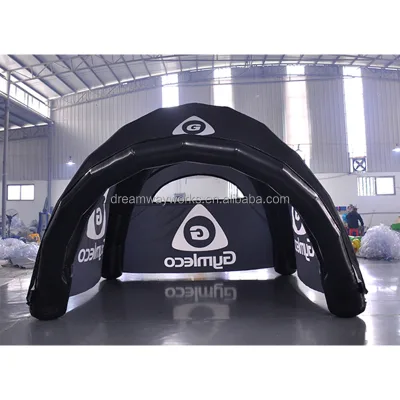
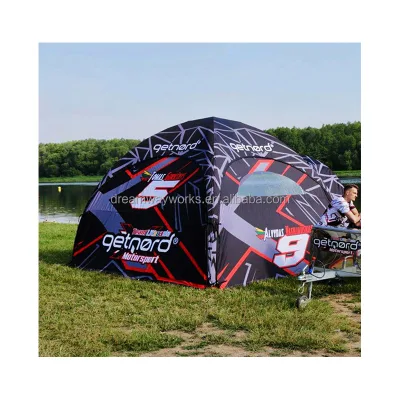
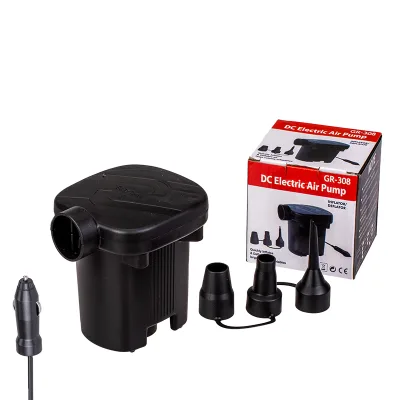
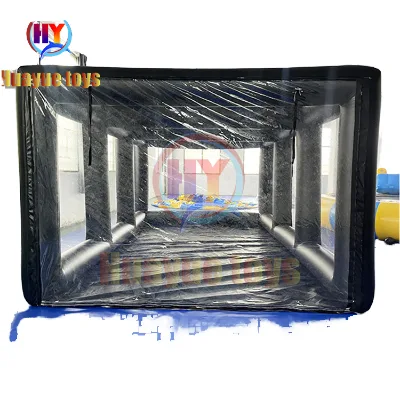
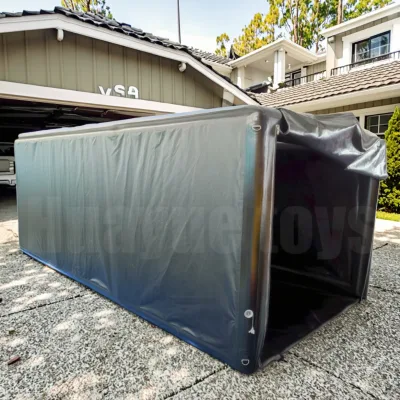
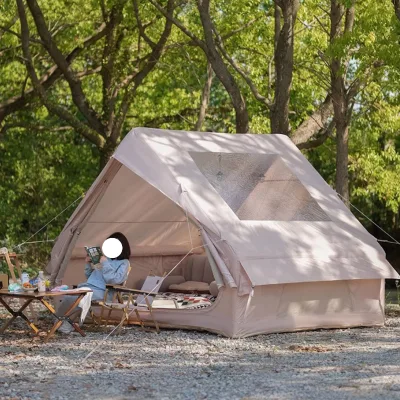
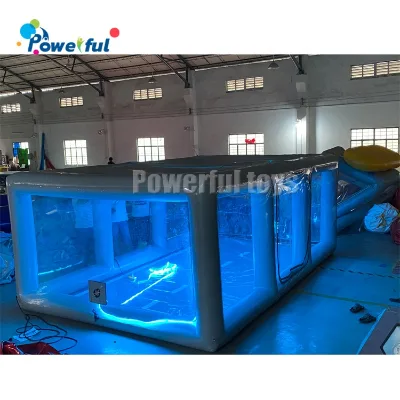


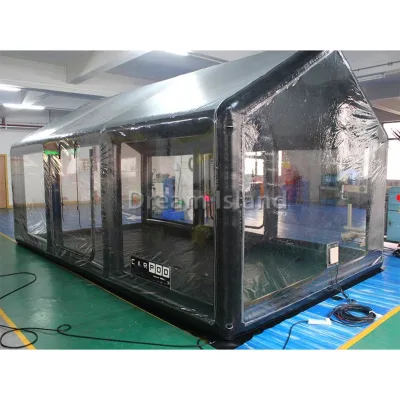


Comprehensive Sourcing Guide
Strategic Sourcing Guide for Inflatable Carports with Integrated Air Pumps
Understanding the Product Category and Core Specifications
The inflatable carport represents a specialized segment within the temporary shelter market, distinguished by its rapid deployment capabilities and structural integrity derived from internal air pressure. When sourcing an inflatable carport with an air pump, buyers must first establish a clear understanding of the fundamental technical specifications that define the product's utility. The core structure typically relies on high-tensile materials, with observed market offerings utilizing Oxford cloth, Thicken Oxford fabric, and PVC as primary construction elements. These materials are selected for their balance of durability, weather resistance, and weight, which are critical for both portability and long-term stability.
The dimensions of these units vary significantly to accommodate different use cases. Standard configurations often include sizes such as 3m x 3m, 4m x 4m, 5m x 5m, and 6m x 6m, with many suppliers offering fully customized dimensions to meet specific spatial requirements. A critical performance metric for these structures is the inflated height and width. High-confidence data indicates that robust models in this category often exceed 12 feet in both inflated width and height, providing ample headroom for vehicles and storage. The inflation mechanism is a pivotal component, with electric air pumps serving as the standard power source. These pumps are designed to maintain the necessary internal pressure to keep the structure rigid, often featuring specific airflow rates, such as 260L/min, to ensure rapid setup and reliable maintenance of shape.
Technical Architecture and Material Integrity
The technical architecture of an inflatable carport extends beyond the fabric shell to include the supporting infrastructure provided by the air pump and associated accessories. The pump itself is a complex mechanical assembly, often employing gear pump structures to generate the required high-pressure airflow. In some specialized applications, the pressure requirements may reach levels such as 0.54 PSI, necessitating pumps capable of sustained output without overheating. The power source for these units is predominantly electric, with cable lengths varying between 1.15 meters and 1.8 meters to facilitate flexible placement relative to power outlets.
Material selection is the primary determinant of the product's lifespan and weather resistance. While PVC offers excellent waterproofing and flexibility, Oxford cloth variants, particularly those described as "thicken," provide superior tear resistance and abrasion protection. The choice between these materials often depends on the intended duration of use and the environmental conditions of the deployment site. For instance, a long-term installation in a high-wind area might necessitate the use of thicker Oxford fabric with reinforced stitching, whereas a short-term event might prioritize the lighter weight of PVC.
The structural design also incorporates various accessories that enhance functionality. Standard kits typically include a storage bag for compact transport, repair kits for on-site maintenance, and in some configurations, removable walls to create enclosed spaces. The inclusion of a repair kit is essential, as it allows for immediate patching of minor punctures, ensuring that the carport remains operational without requiring a return to the supplier. The integration of these accessories into the procurement package is a key consideration for buyers seeking a turnkey solution.
Compliance, Certification, and Safety Verification
When evaluating inflatable carports, compliance with safety standards and certifications is a non-negotiable aspect of the procurement process. While specific certification data may vary by manufacturer, buyers should rigorously verify that the product meets relevant international safety standards. In the context of electrical components, such as the integrated air pumps, compliance with standards like CE is a common benchmark for safety and electromagnetic compatibility. However, buyers must not assume certification status based on product descriptions alone; instead, they should request valid certificates from the supplier for every batch of goods.
Safety verification extends to the structural integrity of the inflatable unit. The carport must be capable of withstanding wind loads and other environmental stresses without collapsing. This requires a thorough review of the material specifications and the design of the air pump system. The pump must have a fail-safe mechanism or a backup power source to prevent deflation in the event of a power outage. Additionally, the electrical components must be rated for the specific environmental conditions of the deployment site, including moisture resistance and temperature tolerance.
Buyers should also consider the legal requirements of the destination market. Different regions may have specific regulations regarding temporary structures, particularly those used for commercial or public events. Ensuring that the inflatable carport meets local building codes and safety regulations is essential to avoid legal liabilities and ensure the safety of users. This verification process should be conducted prior to placing any order, with clear documentation requested from the supplier to support compliance claims.
Cost Drivers and Pricing Dynamics
The pricing of inflatable carports is influenced by a complex interplay of factors, including material quality, size, customization, and the specifications of the integrated air pump. The observed market price range for these products is substantial, spanning from approximately $2.52 to $5,000. This wide variance reflects the diversity in product configurations and the level of customization required. Smaller, standard-sized units made from basic Oxford cloth will naturally fall at the lower end of the spectrum, while larger, custom-designed structures made from high-grade PVC or thickened Oxford fabric will command premium prices.
Material costs are a primary driver of the final price. High-quality, thicken Oxford fabric and durable PVC materials are more expensive than standard alternatives, directly impacting the cost of the finished product. Similarly, the specifications of the air pump play a significant role. Pumps with higher airflow rates, such as 260L/min, or those designed for high-pressure applications, require more sophisticated engineering and higher-grade components, leading to increased costs. The inclusion of additional accessories, such as removable walls or advanced repair kits, also contributes to the overall price.
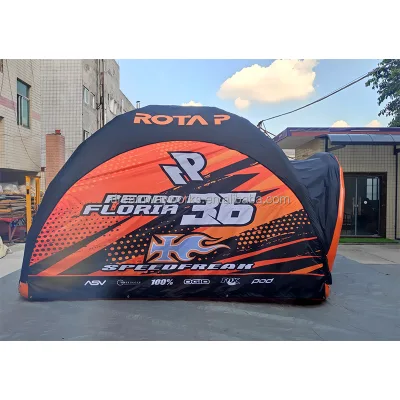
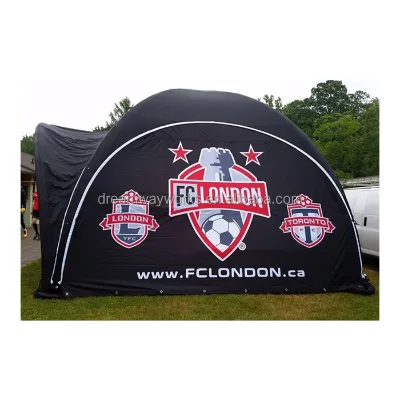
Customization is another major cost factor. While standard sizes like 3m x 3m or 6m x 6m are often available at competitive rates, custom dimensions and branding requirements, such as logo printing via digital printing, incur additional charges. The complexity of the customization, including the number of colors and the intricacy of the design, will further influence the final price. Buyers should request detailed quotes that break down the costs associated with materials, labor, and customization to ensure transparency and value for money.
Supplier Evaluation and Procurement Strategy
Selecting the right supplier is critical to the success of any procurement project involving inflatable carports. Buyers should prioritize suppliers with a proven track record in manufacturing and exporting these specialized products. Key indicators of supplier reliability include their location, production capacity, and experience with similar projects. Many suppliers in this sector are based in manufacturing hubs such as Guangdong and Jiangsu in China, regions known for their expertise in textile and plastic product manufacturing.
When evaluating potential suppliers, buyers should assess their production capabilities and quality control processes. A supplier with a lead time of around 10 working days for standard orders indicates a streamlined production process, but buyers should verify this timeline for custom orders. The Minimum Order Quantity (MOQ) is another important consideration, with observed ranges varying from 1 unit to 2,000 units. Buyers with smaller requirements should seek suppliers with low MOQs, while those planning large-scale deployments may benefit from suppliers offering volume discounts.
Payment terms and shipping logistics are also essential factors in supplier evaluation. Common payment methods include T/T, Western Union, credit cards, and bank transfers, offering flexibility for different buyer preferences. Shipping options typically include DHL, FedEx, TNT, UPS, air freight, and sea freight, allowing buyers to choose the most cost-effective and timely delivery method based on their urgency and budget. Buyers should also inquire about the supplier's after-sales support, including warranty coverage and technical assistance, to ensure long-term satisfaction with the product.
Quality Control and Long-Term Procurement Considerations
Implementing a robust quality control (QC) strategy is essential to mitigate risks associated with inflatable carport procurement. Buyers should establish clear QC criteria that cover material inspection, assembly checks, and functional testing of the air pump system. Pre-shipment inspections are highly recommended to verify that the products meet the agreed-upon specifications and quality standards. This includes checking for defects in the fabric, ensuring the integrity of the seams, and testing the pump's performance under load.
Long-term procurement considerations involve building a sustainable relationship with the supplier. This includes negotiating favorable terms for future orders, establishing a clear communication channel for technical support, and ensuring a steady supply of replacement parts and accessories. The warranty period, often cited as 3 years for high-quality units, is a critical factor in assessing the supplier's confidence in their product. Buyers should verify the terms of the warranty, including what is covered and the process for filing claims, to protect their investment.
Additionally, buyers should consider the environmental impact of the product and the supplier's sustainability practices. The use of durable materials and the availability of repair kits contribute to the product's lifecycle, reducing waste and the need for frequent replacements. By prioritizing suppliers who demonstrate a commitment to quality and sustainability, buyers can ensure that their inflatable carport solutions are both reliable and responsible.
Typical Applications and Deployment Scenarios
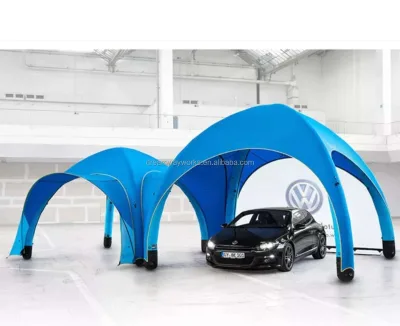
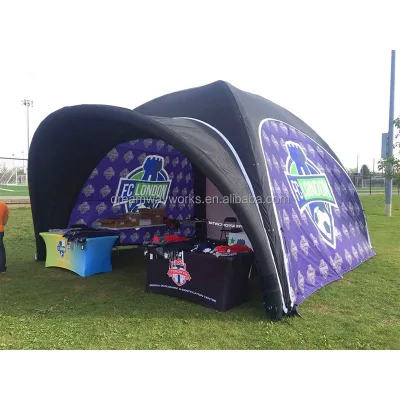
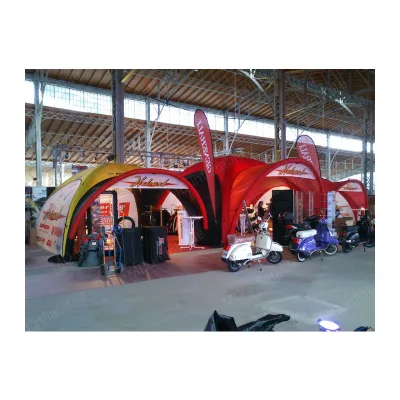
Inflatable carports with integrated air pumps are versatile structures suitable for a wide range of applications. Their primary use is as temporary vehicle shelters, providing protection from rain, sun, and wind for cars, trucks, and other vehicles. This makes them ideal for residential use, where they can serve as a cost-effective alternative to permanent garages. In commercial settings, these carports are frequently used for outdoor events, trade shows, and exhibitions, offering a quick and easy solution for creating covered spaces.
The adaptability of inflatable carports also makes them suitable for emergency response scenarios. Their rapid deployment capability allows them to be set up quickly in disaster zones to provide temporary shelter for people and equipment. In industrial settings, they can be used as temporary storage facilities or workspaces, protecting materials and workers from the elements. The ability to customize the size and shape of the carport allows it to be tailored to specific needs, whether it is a small residential driveway or a large event venue.
The integration of an air pump ensures that the structure remains stable and functional in various conditions. The pump's ability to maintain consistent pressure is crucial for the carport's performance, especially in windy or rainy weather. By selecting a carport with a high-quality pump and durable materials, buyers can ensure that their investment will serve them well in diverse applications, from everyday use to critical emergency situations.
FAQs
What materials are used for inflatable carports with air pumps?
These units are constructed from Oxford cloth, thicken Oxford fabric, or PVC. The specific material depends on the model, with options ranging from standard Oxford to durable thicken variants for enhanced weather resistance.
How large can an inflatable carport with air pump be?
Standard sizes include 3m x 3m, 4m x 4m, 5m x 5m, and 6m x 6m. Many models offer customized dimensions, and robust units often exceed 12 feet in both inflated width and height.
Can I customize the logo on an inflatable carport with air pump?
Yes, customized logos are available through digital printing services. Buyers can request specific branding designs to be applied to the fabric shell of the carport structure.
What is the lead time for ordering an inflatable carport with air pump?
The typical lead time is 10 working days for standard orders. This duration may vary depending on the complexity of customization and the specific manufacturer's production schedule.
Which accessories come with an inflatable carport with air pump?
Standard kits include an electric air blower, a storage bag, and repair kits. Some configurations may also feature removable walls to create enclosed spaces for the shelter.
How much does an inflatable carport with air pump cost?
Prices range from approximately 2.52 to 5000 USD depending on size and material. The final cost is influenced by the choice of fabric, dimensions, and any custom branding requirements.
Where are inflatable carport with air pump manufacturers located?
Manufacturers are primarily located in Guangdong and Jiangsu, China. These regions are known for their expertise in producing textile and plastic temporary shelter products.